
By: Barbara Broggelwirth, MS, RDN, CDN
Fat is an important part of a healthy diet. In addition to adding flavor and helping us feel full, fat has many essential functions in the body.
Why is fat important?
We need fat to:
- make hormones
- support healthy cell membranes
- maintain skin and hair health
- absorb the fat-soluble vitamins A, D, E, and K
- Some types of fat also support heart health when they replace less healthy fats in the diet.
Which fats are healthiest?
The fats most consistently linked with better heart health are unsaturated fats, including:
- Monounsaturated fats
- Polyunsaturated fats, including omega-3 fats
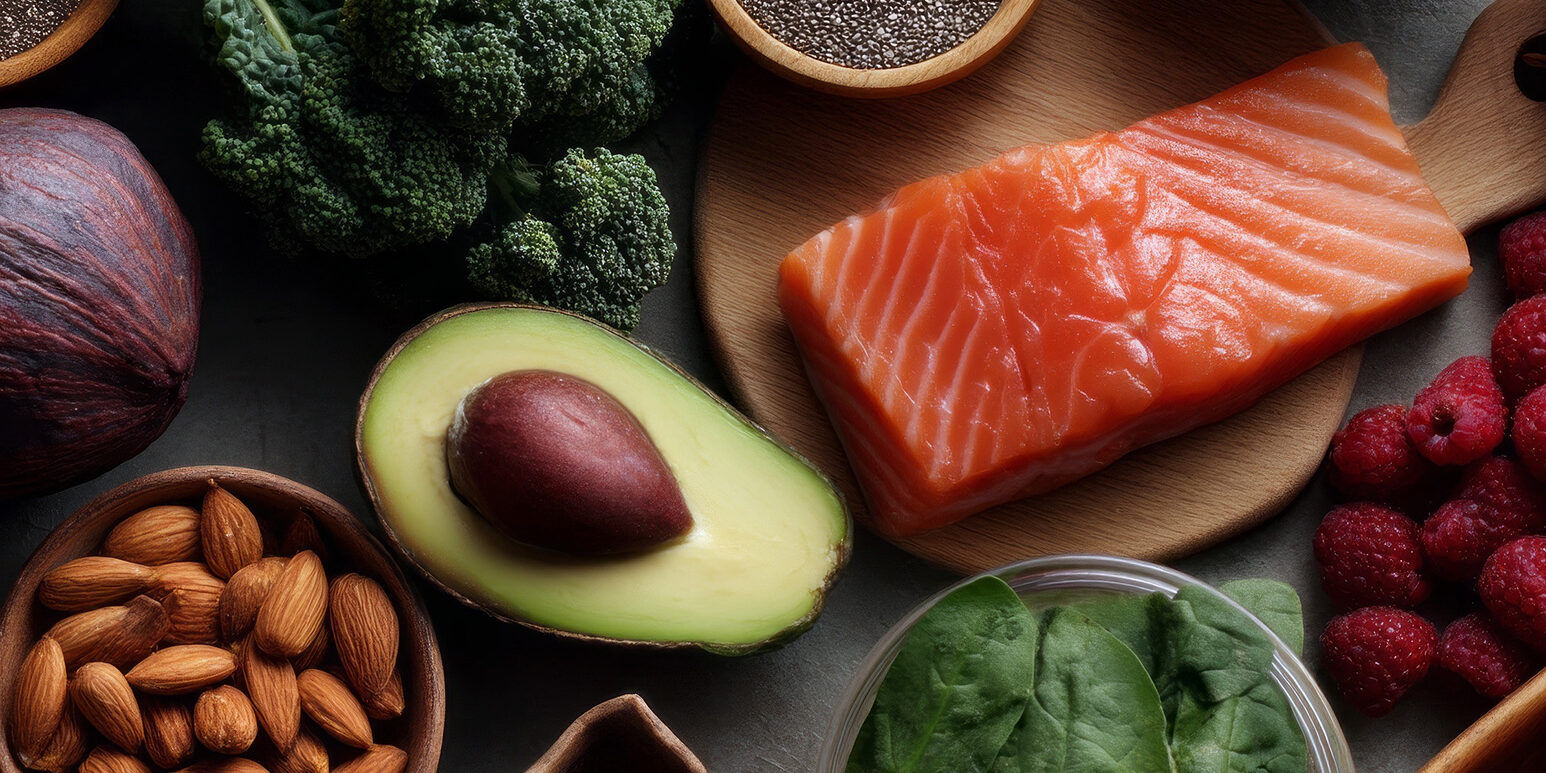
These fats are found in foods such as:
- olive oil
- avocado
- nuts and seeds
- nut butters
- olives
- soy foods
- fatty fish like salmon, sardines, and trout
Plant sources of omega-3 fats include:
- flax seeds
- chia seeds
- walnuts
Research shows that replacing saturated fat with unsaturated fat can help lower LDL (“bad”) cholesterol and reduce cardiovascular risk.
What fats should be limited?
Saturated fat and trans fat are the fats most associated with increased cardiovascular risk.
Common sources of saturated fat include:
- fatty cuts of beef and pork
- processed meats
- butter
- cheese
- cream
- full-fat dairy
- coconut oil
- palm oil
- beef tallow
A note about beef tallow
Beef tallow is sometimes promoted on social media as a “healthier” frying fat. However, beef tallow is still a saturated fat. Current evidence continues to support limiting saturated fat intake and choosing mostly unsaturated fats for heart health. Replacing unsaturated oils with beef tallow is not considered a heart-healthy change.
Furthermore, frying French fries or other fast foods in beef tallow does not make those foods healthier. Even if a food is fried in a less processed fat, it is still:
- a fried food
- often high in calories
- usually high in sodium
- often low in fiber and overall nutrient density compared with less processed options
Frying adds extra fat and calories, and frequent intake of fried foods is associated with poorer cardiometabolic health. The idea that fries or fast food become “healthy” simply because they are cooked in beef tallow is not supported by evidence.
A better way to think about fats
Rather than focusing on one ingredient or social media trend, it helps to look at the overall food and dietary pattern.
For example, a plain baked or roasted potato is very different nutritionally from fast-food French fries. Salmon, walnuts, avocado, and olive oil provide beneficial fats in nutrient-rich foods. Fried fast foods remain foods to enjoy occasionally, regardless of whether they are cooked in seed oil or beef tallow.
Remember, all fats are calorie-dense. Fat provides 9 calories per gram, compared with 4 calories per gram for protein and carbohydrates. That does not mean fat is bad — it just means portion size still matters.
Practical ways to include healthy fats
Try a small amount of healthy fat at meals and snacks, such as:
- avocado on toast or in a salad
- natural peanut butter with apple slices
- olive oil in salad dressing
- walnuts or almonds with fruit
- salmon as a protein choice at dinner
Bottom line, fat is an essential nutrient, but the type of fat matters. The most evidence-based approach is to emphasize unsaturated fats from foods like nuts, seeds, fish, avocado, and olive oil, while limiting saturated fats, including beef tallow, butter, fatty meats, and full-fat dairy.