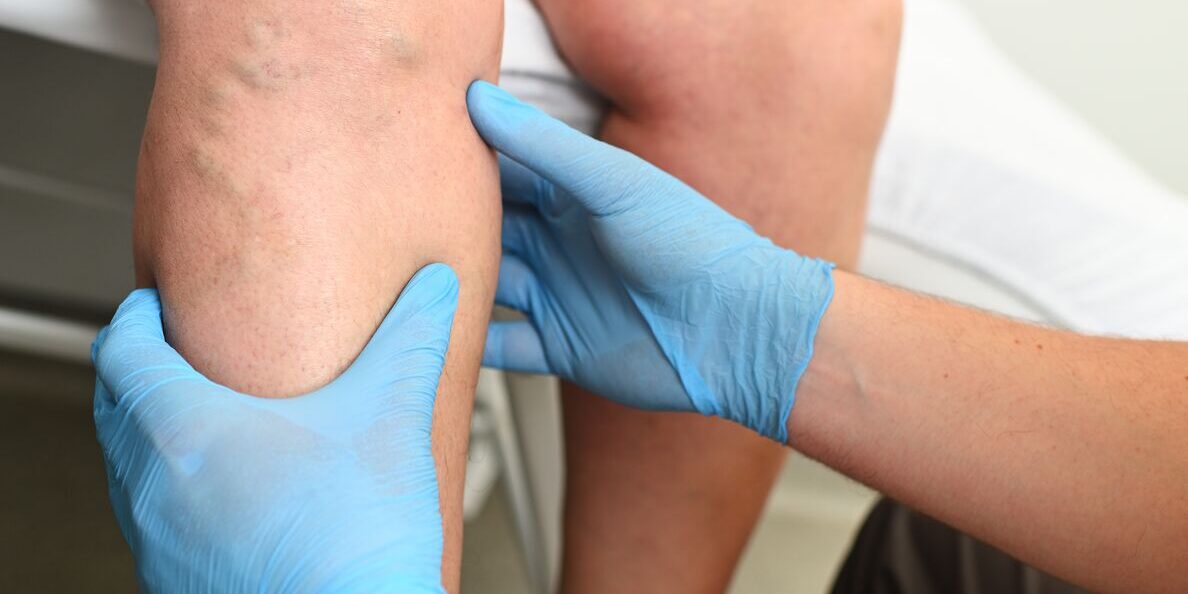
Pregnancy significantly impacts a woman’s body and varicose veins are a common concern. While often viewed as a cosmetic issue, varicose veins can cause discomfort and sometimes indicate more serious problems. Understanding the relationship between pregnancy and varicose veins is important for expectant mothers.
During pregnancy, blood volume increases to support the developing baby. This increase in volume, along with the pressure of the growing uterus on pelvic veins, can enlarge veins, making them more prone to issues. These enlarged veins can cause aching, swelling and discomfort in the legs. Promoting good circulation is crucial for overall health during and after pregnancy and can help alleviate these symptoms.
Here are five key things to know about pregnancy and varicose veins:
- Timing: Varicose veins typically appear in the second trimester and may worsen as pregnancy progresses due to the expanding uterus pressing on pelvic veins. They often do not resolve and persist afterwards. In time, they can become larger and more symptomatic.
- Pre-existing conditions: Pre-existing varicose or spider veins can worsen during pregnancy due to increased blood volume, hormonal changes and added pressure on the veins.
- Family history: If your mother or grandmother experienced varicose veins, your likelihood of developing them is higher.
- Multiple pregnancies: Each subsequent pregnancy increases the risk, as repeated stretching can impact vein elasticity and function.
- Other vein issues: Pregnancy can cause various vein-related issues beyond varicose veins due to changes in blood flow, hormones and the physical demands of pregnancy.
Proactive measures can greatly improve circulation. After getting your doctor’s approval, engage in regular, low-impact exercise like walking and swimming. Avoid prolonged sitting or standing; if your job requires either, shift positions or take breaks every 30 minutes. When sitting, elevate your feet as much as possible. Choose comfortable and supportive shoes to wear throughout the day and remember to elevate your legs above heart level for 15-20 minutes several times a day. Stay hydrated, eat a fiber-rich diet to prevent constipation and manage weight gain as advised by your doctor can also help contribute to keeping your veins healthy. Wearing compression stockings daily, especially when working, can help prevent varicose vein development and can help manage any symptoms from them.
By taking these steps, you can actively support your vein health during pregnancy, minimize discomfort, and potentially prevent long-term vein problems. “Varicose veins, spider veins, and leg symptoms after pregnancy are often ignored, but there are easy, minimally invasive treatments that exist,” says Mather Medical Group Vascular Surgeon Kelli Summers, MD. Consult your doctor for personalized advice and treatment options if you experience significant vein issues.
Resources:
https://veininstitute.com/vein-health-and-pregnancy/
https://veinreliever.com/5-things-know-pregnancy-varicose-veins/