
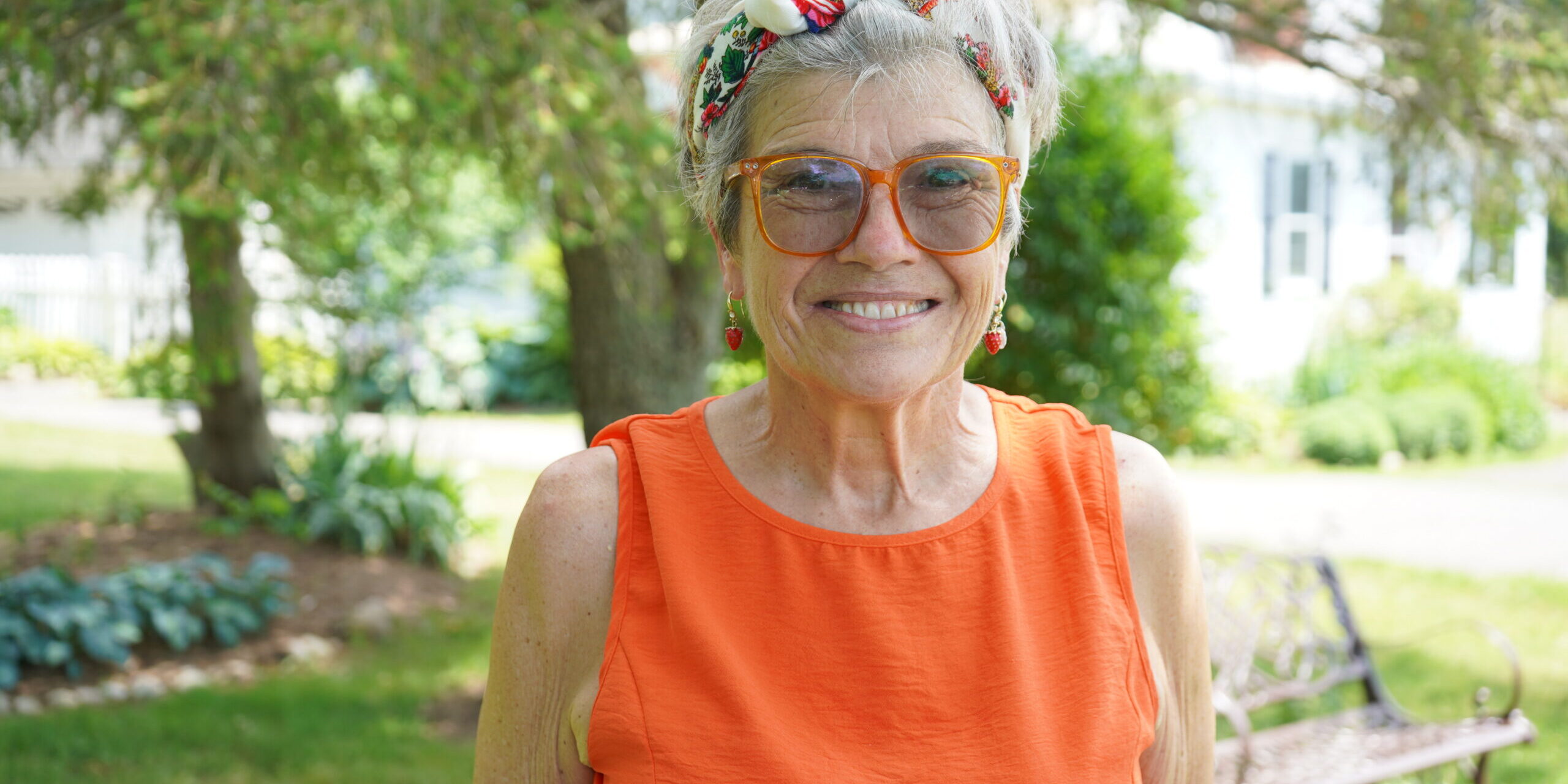
For Ellen, a 66-year-old from Riverhead, life has always been a tale of two realities. On the surface, she is a proud member of a “legacy family,” whose roots on their farm stretch back to 1882. She grew up with good grades, friends, and a strong sense of community. But beneath the surface, a silent, lifelong struggle with depression cast a long shadow over everything.
In her family, mental health wasn’t a topic for discussion, leaving Ellen to navigate her feelings alone. The signs were there from an early age and as she got older, the struggle continued. Over the decades, she saw five different psychiatrists and was on antidepressants for 29 years. Nothing seemed to provide lasting relief.
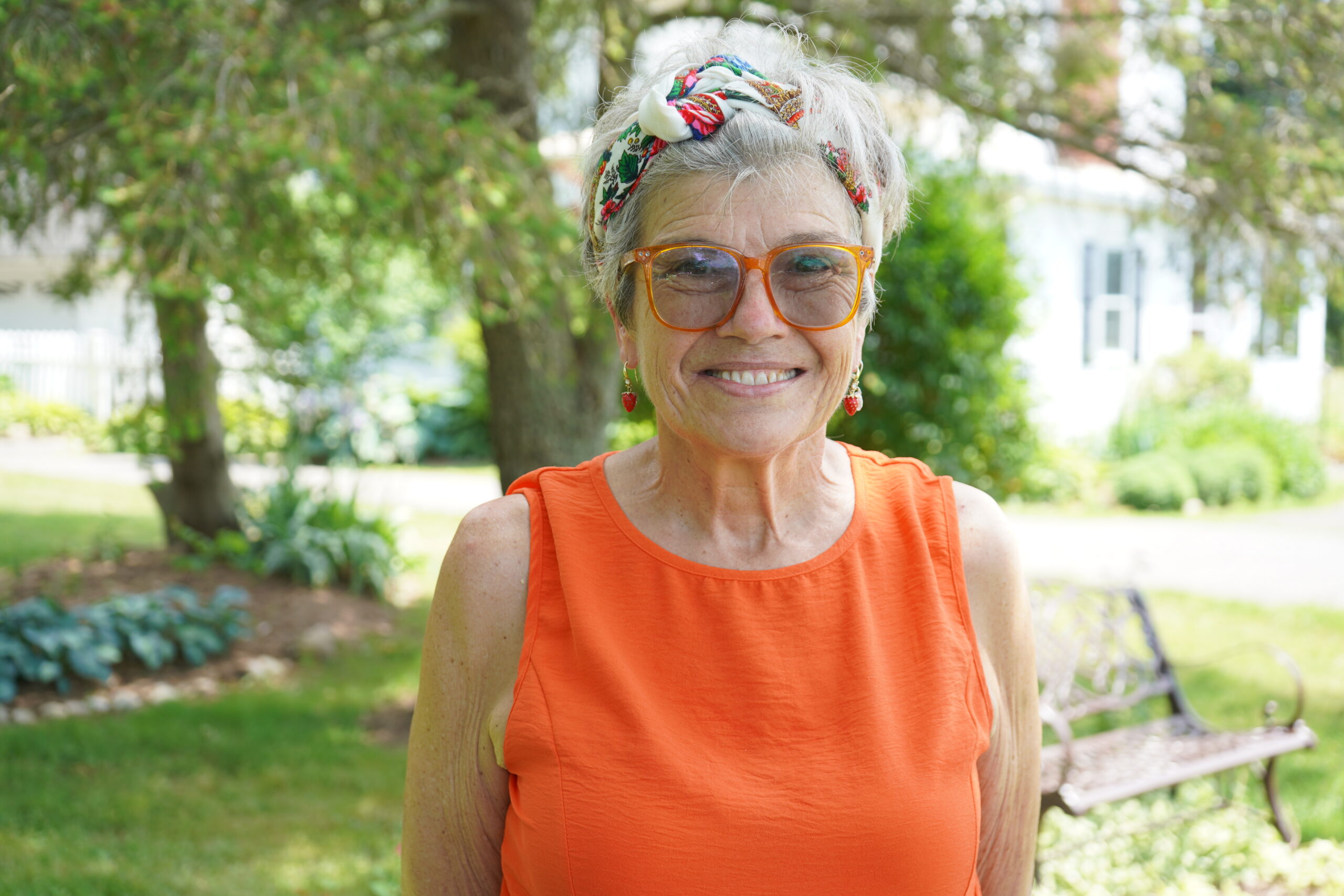 A turning point came during a group therapy session. “The therapist asked, ‘How many people feel that their medication has helped significantly?’ and no one raised their hand,” said Ellen. “I thought, ‘Wow.'” This moment crystallized the reality of her treatment-resistant depression. The feeling of hopelessness grew so profound that she even asked a doctor about electroshock therapy, desperate for any solution.
When her long-time psychiatrist retired, he referred her to George Lasker, MD, PhD at Mather Hospital, suggesting a new treatment might be the answer: Esketamine. Ellen went to Mather’s Emergency Department. The visit led her to Dr. Lasker’s office.
“He got so excited,” Ellen remembered. “He said, ‘Ellen, you are a perfect candidate for us.’ He met with me for an entire hour, and he did all of the paperwork with Medicare right there on the phone.”
“Esketamine has given patients with long-standing depression new hope., said George Lasker, MD, PhD, Inpatient Psychiatrist.
The compassion and dedication shown by Dr. Lasker and his team were a stark contrast to her past experiences. “He didn’t judge me at all,” she said.
Esketamine treatment involves administering a nasal spray and monitoring the patient for two hours. While the treatment can induce a dissociative, “out-of-body” experience, Ellen stresses that the real magic happens afterwards, “once I got home the night after a treatment. It’s as if my brain rewired some of its neurons.”
After her very first treatment, Ellen felt a profound shift. “I got off the chair, and I said, ‘I’ve got to tell people about this!’ I am so thrilled about feeling this good after struggling for so long.”
The change wasn’t a magic cure, but a fundamental transformation in her ability to cope. “It’s not that things don’t happen, but I find that I bounce-back quicker,” she said.
Today, Ellen continues with a maintenance program, visiting Mather’s Infusion Center every few weeks. She praises the entire staff for their professionalism and warmth. “The staff is absolutely wonderful,” she said. “They call you the day before to make sure everything is good. You always know you’re in a safe environment.”
After a lifetime of searching for an answer, Ellen has found more than just an effective treatment; she has found hope. Her journey has inspired her to become an advocate, to share her story so that others feel less alone.
Her message is clear: for those who feel they’ve run out of options, there is hope. “I’m 66 years old, and I’ve had this pretty much my whole adult life. This is something that I have to deal with all the time, but this solution works.”